



How Reduced Turnout Affects Your Horse's Digestive Health, Mobility & Well-Being
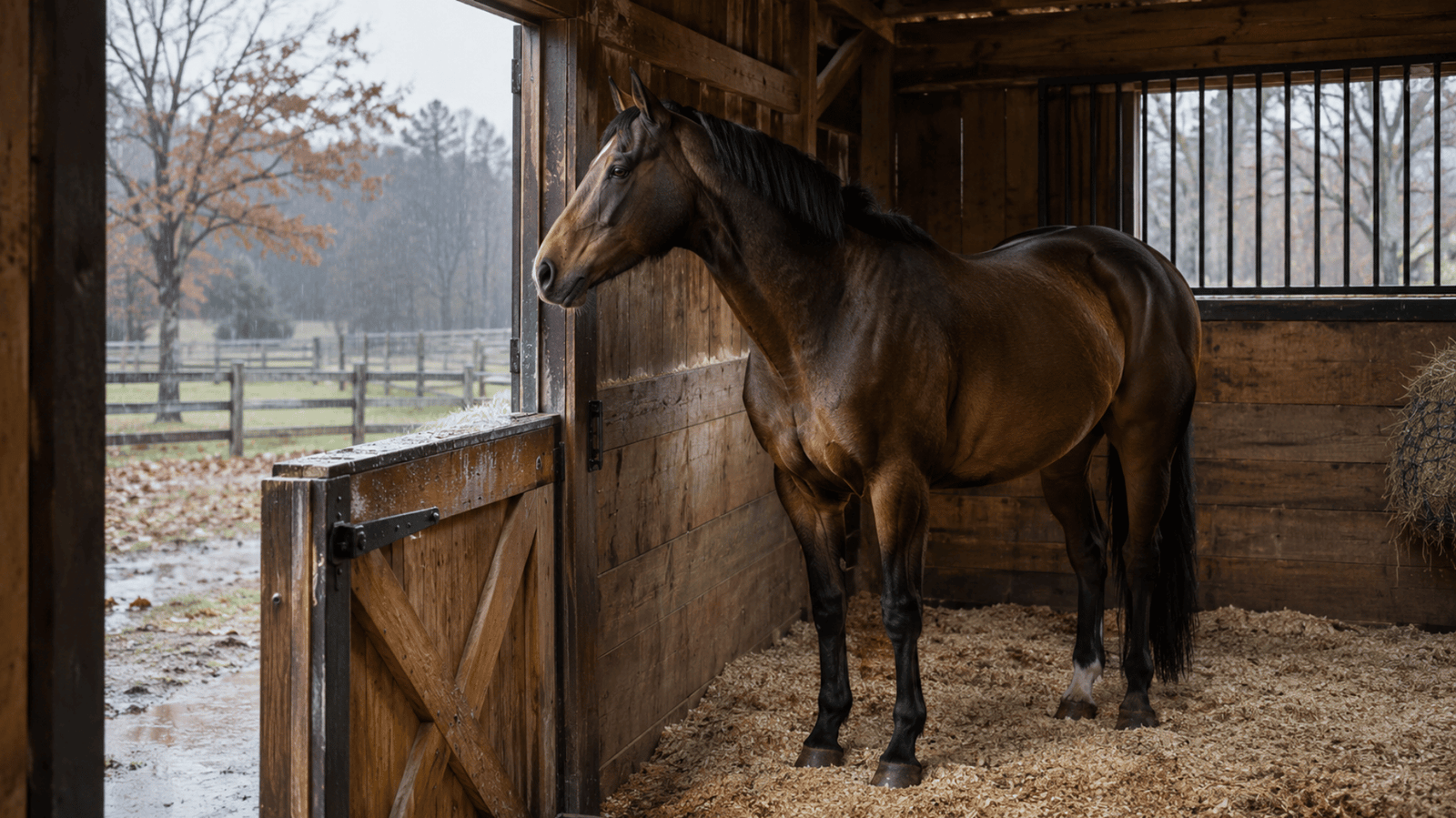
As fall transitions into winter, shorter days, muddy paddocks, freezing temperatures, and unpredictable weather often mean one thing for horse owners: more time in the stall and less time in the pasture.
While keeping horses indoors may sometimes be necessary for safety or management reasons, extended periods of confinement can affect their physical and digestive health, behavior, and overall well-being.
Horses are naturally designed to move, graze, and interact with one another throughout the day. When those opportunities become limited, their daily care and nutritional needs deserve a little extra attention.
Here's what every horse owner should know about managing reduced turnout during the colder months.
1. Less Movement Can Affect Digestive Health
Horses evolved to spend much of their day moving and consuming small amounts of forage. Regular movement is an important part of their normal digestive routine.
When turnout is reduced, horses may experience changes in physical activity, feeding patterns, and manure production.
Sudden changes in exercise and management can contribute to digestive disturbances and may increase the risk of colic, especially when combined with inadequate water intake or changes in forage.
What you can do:
- Provide safe opportunities for daily movement whenever possible.
- Maintain consistent feeding schedules.
- Ensure access to fresh, clean water.
- Monitor manure production and changes in appetite.
- Make dietary transitions gradually.
Even when full pasture turnout isn't practical, regular exercise or access to a safe paddock can help maintain a more consistent routine.
2. More Stall Time May Increase the Risk of Gastric Ulcers
Did you know that increased stall confinement may contribute to gastric ulcer risk in some horses?
Horses naturally produce stomach acid throughout the day, whether they're eating or not. Frequent forage consumption encourages chewing and saliva production, which helps buffer that acid.
When horses spend extended periods without access to forage, their stomachs can be exposed to acid for longer periods.
Changes in routine, limited social interaction, and environmental stress may also contribute to ulcer risk.
What you can do:
- Provide frequent or near-continuous access to suitable forage.
- Avoid long periods without hay.
- Consider slow-feed hay nets to extend feeding time.
- Maintain opportunities for social interaction.
- Keep feeding and management routines consistent.
If you suspect your horse has gastric ulcers, consult your veterinarian. Nutritional supplements are not substitutes for appropriate diagnosis and treatment.
3. Reduced Turnout Can Affect Behavior and Stress Levels
Turnout provides more than just exercise. It gives horses opportunities to explore, graze, interact socially, and engage in natural behaviors.
When these activities are limited, some horses may become restless, frustrated, or more reactive.
Common changes horse owners may notice include:
- Increased pacing or pawing
- Stall walking or weaving
- Changes in temperament
- Increased excitability during handling
- Development or worsening of repetitive behaviors
Not every horse responds to confinement in the same way. Some tolerate changes in turnout better than others, but maintaining a predictable routine can help.
What you can do:
Provide safe enrichment, encourage social contact with other horses, and incorporate regular movement into your horse's day.
4. Changes in Feeding Routines Can Affect the Hindgut
A horse's hindgut contains a complex community of microorganisms responsible for fermenting fiber and helping the horse obtain energy from forage.
These microorganisms function best when the horse receives a consistent, forage-based diet.
During seasonal transitions, horses may move from grazing pasture throughout the day to eating hay in scheduled meals.
Sudden changes in forage type, quantity, or feeding frequency can affect the hindgut microbial environment.
What you can do:
- Introduce new hay or feeds gradually, generally over 7 to 14 days.
- Keep forage available throughout the day when practical.
- Avoid unnecessary changes to concentrates and supplements.
- Ensure the diet provides adequate fiber.
- Consider whether additional digestive nutritional support is appropriate for your horse.
Maintaining a stable feeding routine is one of the most important ways to support normal digestive function.
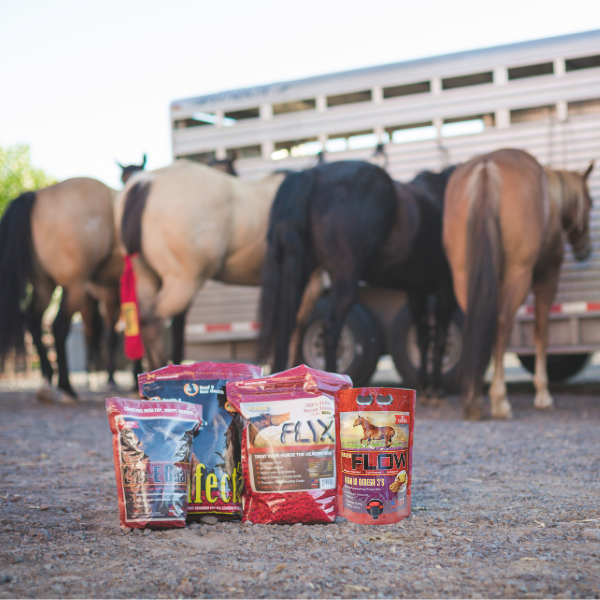
For horses that may benefit from additional digestive support during seasonal feeding transitions,Gut Guard provides live yeast, probiotics, and prebiotics to support normal digestive function and a healthy hindgut environment.
5. Less Activity May Mean Different Nutritional Needs
When horses spend more time indoors and exercise less frequently, their calorie requirements may change.
A horse that was previously in regular training or spending hours moving around a pasture may not require the same amount of energy when its workload decreases.
However, cold weather also affects energy needs, particularly for horses exposed to prolonged low temperatures.
This means winter feeding should be based on each horse's body condition, workload, environment, and forage quality, rather than simply adding or removing feed based on the season.
Even when calorie requirements decrease, horses still need essential vitamins and minerals to maintain overall health. A balanced supplement likeHorse Guard Vitamin & Mineral can help fill nutritional gaps without adding unnecessary calories from additional grain.
What you can do:
- Monitor body condition throughout the winter.
- Adjust calorie intake according to actual needs.
- Prioritize adequate forage.
- Maintain appropriate vitamin and mineral intake.
- Avoid reducing essential forage simply because exercise decreases.
Remember, horses need adequate fiber even when their activity levels are lower.
6. Supporting Digestive Health From the Inside Out
When seasonal changes affect a horse's routine, maintaining consistent nutrition becomes especially important.
Horse Guard's Gut Guard is formulated with live yeast, probiotics, and prebiotics to provide nutritional support for normal digestive function and a healthy hindgut environment.
Live yeast has been studied for its potential to support fiber digestion and hindgut microbial activity, while prebiotics provide substrates that support beneficial microorganisms. The effects of probiotic supplementation can vary depending on the strains, formulations, and individual horse.
Although digestive supplements can be useful additions to a feeding program, they cannot replace proper forage management, adequate hydration, daily movement, or veterinary treatment when necessary.
7. Small Changes Can Make a Big Difference
Winter management doesn't have to mean sacrificing your horse's well-being.
Even when weather conditions limit turnout, there are ways to support your horse's physical and digestive health.
Focus on providing consistent forage, fresh water, appropriate exercise, social interaction, and balanced nutrition.
Pay attention to changes in appetite, manure production, behavior, and body condition as your horse adjusts to seasonal routines.
The Bottom Line
More stall time and less turnout may be part of winter horse management, but understanding how these changes affect your horse can help you make better decisions about their daily care.
A healthy horse needs more than a comfortable stall. Consistent nutrition, movement, and opportunities for natural behaviors are important throughout every season.
With thoughtful management and appropriate nutritional support, you can help keep your horse happy and healthy through the winter months.


Leave a comment (all fields required)